Farmeconomia. Health economics and therapeutic pathways 2026; 27(1): 45-54
https://doi.org/10.7175/fe.v27i1.1611
Original research
Clinical and Economic Benefits of Long-Acting Injectable Paliperidone in Schizophrenia: A UAE-Based Modeling Study
Nahida Nayaz Ahmed 1, Waiel Al Naeem 2, Nicole Gebran 3, Mehnaz Zafar 4, Amr Nasrallah 5, Abdel Rahman Elrashedy 5, Mohamed Hossameldin 5, Lorenzo Pradelli 6
1 CMO-SAKINA, Abu Dhabi, United Arab Emirates
2 Pharmacy Department, Sheikh Khalifa Medical City, Abu Dhabi, United Arab Emirates
3 Pharmacy Department, Dubai Health, Mohammed Bin Rashid University of Medicine and Health Sciences, Dubai, United Arab Emirates
4 Consultant Psychiatrist and Head of Community Psychiatry Services Amal Psychiatric Hospital, Emirates health services, AL Amal Psychiatric Hospital Al Aweer, Dubai, United Arab Emirates
5 Johnson and Johnson Middle East FZ-LLC, Dubai Healthcare City, Dubai, United Arab Emirates
6 AdRes HE&OR, Turin, Italy
Abstract
INTRODUCTION: Poor adherence to oral antipsychotic (OAP) therapy is a major driver of relapse in patients with schizophrenia, as only 50% or fewer patients are adherent to OAP during the first year, leading to suboptimal clinical outcomes and substantial healthcare costs. Long-acting injectable (LAI) antipsychotics enhance treatment continuity and sustained drug exposure, with real-world data showing improved effectiveness as dosing intervals lengthen due to better adherence. We evaluate the clinical and economic consequences, in the United Arab Emirates (UAE) healthcare setting, of switching patients with schizophrenia from OAPs to paliperidone LAIs with different dosing intervals, including semi-annual formulations (PP6M).
METHODS: Hazard ratios (HRs) for relapse were derived from an updated systematic review and incorporated into a Bayesian hierarchical model capturing the combined effects of route of administration and dosing frequency. Model outputs were used to populate a cost-consequence model developed from the UAE healthcare third-party payer perspective. Only direct medical costs were considered with hospitalization used as a proxy for relapse. Analyses were conducted over 1- and 5-year time horizons.
RESULTS: Over the 1-year horizon, the total budget per patient decreased by approximately 8%, 26%, and 50% following switches from OAP to paliperidone palmitate 1-month, 3-month, and 6-month formulations respectively. This corresponded to an estimated saving of ~20,000 AED per patient per year with PP6M which was associated with the lowest predicted relapse rates. Although longer-acting LAIs were associated with higher pharmaceutical expenditure per injection, reductions in relapse-related hospitalizations generated budget saving that exceeded incremental drug costs.
CONCLUSIONS: In the UAE context, transitioning patients with schizophrenia from OAPs to paliperidone LAIs, including PP6M, may improve disease control and lead to favorable economic outcomes. Improved adherence translates into clinically meaningful reductions in relapse, with overall cost savings driven by avoided hospitalizations, supporting broader adoption of LAI strategies.
Keywords
Paliperidone palmitate 6-month; Long-acting injectable antipsychotics; Oral antipsychotics; Schizophrenia; Relapse prevention; Cost-consequence analysis; United Arab Emirates healthcare setting
Received 20 May 2026
Accepted 30 June 2026
Published 8 July 2026
Introduction
Schizophrenia is a mental health condition that affects cognition, behavior, and psychosocial functioning. It is characterized by psychosis and associated with considerable disability, with potential impact across multiple areas of life including personal, family, social, educational, and occupational domains [1].
According to the Global Burden of Disease (GBD) study 2023, schizophrenia is among the principal causes of years lived with disability (YLDs) worldwide [2]. Data from the GBD 2019 study further indicate that schizophrenia represents a substantial public health burden in the United Arab Emirates (UAE), with an estimated prevalence of approximately 40,000 individuals and more than 1,700 incident cases reported in 2019 [3]. Consistent with these estimates, the Emirates Health Services reports a current prevalence of approximately 1% within the UAE healthcare system [4].
Antipsychotic medications are recommended as first-line treatment for schizophrenia and include both first-generation (FGAs) and second-generation (SGAs) agents, available as oral antipsychotics (OAPs) and/or long-acting injectable formulations (LAIs). In clinical practice, adherence to OAP therapy may be suboptimal, potentially compromising treatment continuity [5].
Non-adherence to antipsychotic treatment is common, particularly during the early stages of schizophrenia. Approximately half of patients show poor adherence to oral therapy [6,7] and more than 70% discontinue treatment within the first 18 months [8]. Non-adherence represents one of the main factors associated with increased relapse risk [9], leading to significant clinical and public health consequences, including hospitalization and greater healthcare utilization [10]. LAIs may help address some of the limitations associated with oral antipsychotics, for example by removing the need for daily dosing, ensuring more stable drug exposure, and supporting treatment continuity [11,12].
Evidence comparing LAIs and OAPs in relapse prevention has shown heterogeneous results. Meta-analyses based on randomized controlled trials have reported limited or non-significant differences between LAIs and OAPs in relapse reduction [13], whereas analyses based on observational and mirror-image studies, which better reflect real-world clinical practice, have demonstrated a significant reduction in hospitalization rates associated with LAIs use [14]. This discrepancy suggests that the clinical benefit of LAIs may be largely driven by improved adherence under real-world conditions rather than intrinsic differences in pharmacological efficacy [13–15].
A network meta-analysis and subsequent update by Zaniolo et al. [16–18], showed that in the real-world setting, LAIs were more effective than OAPs in reducing relapse risk, with a more pronounced effect for SGAs compared with FGAs. In particular, LAIs were associated with a 20% reduction in relapse risk for FGAs and nearly a 50% reduction for SGAs compared with the same agents administered orally [16]. Importantly, the effectiveness of treatment increased as the inter-administration interval became longer: for each doubling of the dosing interval, relapse risk was reduced by approximately 10% [17]. This gradient effect is plausibly explained by improved adherence, which is known to be a major determinant of relapse in schizophrenia, particularly under real-world conditions. In this context, LAIs with extended dosing intervals may further enhance treatment continuity and reduce the risk of non-adherence. Among these, paliperidone is available in three formulations with progressively longer dosing intervals: 1-month (PP1M), 3-month (PP3M), and 6-month (PP6M), all approved for management of schizophrenia in adults [19–21]. PP6M offers the longest LAI dosing interval available to date and, along with PP1M and PP3M, provides flexible dosing regimens for a patient-centric approach in the management of schizophrenia [22].
To further explore these dynamics, the present study aimed to evaluate the clinical and economic consequences, within the UAE healthcare setting, of switching patients with schizophrenia from OAPs to paliperidone LAIs with different dosing intervals, including the PP6M formulation. The analysis was informed by and based on the results of the network meta-analysis and its subsequent update conducted by Zaniolo et al. [16–18], which quantified the relationship between dosing interval and relapse risk reduction in real-world settings. By applying these evidence-based estimates to the UAE context, the objective was to provide a structured and data-driven framework to support clinical decision-making and healthcare resource allocation.
Methods
A cost-consequence model was developed in the context of the UAE public-sector hospitals from the perspective of the third-party payer, defined as the Department of Health (DOH) for UAE nationals and health insurance payers for expatriate residents receiving care in public-sector facilities. The model used 1- and 5-year time horizons and costs were expressed in UAE dirhams (AED). Only direct medical costs were considered, including drug acquisition costs and relapse management costs. Inpatient relapse costs were informed by UAE diagnosis-related group (DRG) tariffs for mental health admissions specific to schizophrenia [23].
Clinical inputs
The model was populated with clinical inputs derived from hazard ratios (HRs) for relapse associated with different antipsychotic regimens obtained from the network meta-analysis and its subsequent update conducted by Zaniolo et al. [16–18]. Briefly, a systematic literature search of MEDLINE/PubMed was conducted to identify studies reporting efficacy or effectiveness outcomes for LAIs and OAPs. Studies comparing treatment strategies differing in active ingredient, route of administration, and/or inter-administration interval were eligible for inclusion. The extracted HRs were pooled using a Bayesian hierarchical model previously developed by Zaniolo et al. [16–18], including the administration route and frequency (Table I). The Bayesian hierarchical model estimation of the relative risk of relapse according to route of administration (OAPs vs LAIs) and dosing frequency, including PP1M, PP3M, and PP6M formulations was included as main clinical input in the present analysis.
Annual relapse rates were calculated by applying the corresponding HRs to the baseline annual relapse rate assumed for OAPs. In the absence of a publicly available UAE national registry reporting relapse rates specifically for patients with moderate-to-severe schizophrenia, the baseline rate for OAPs was assumed to be 1 relapse per patient-year, based on local clinical expert input. Middle East evidence from Oman was used to contextualize this assumption showing an average time to relapse of 14.28 months in patients with first-episode psychosis, with shorter relapse times among medication-noncompliant versus compliant patients [24].
As the reference category, OAPs were assigned an HR of 1, while the HRs for the paliperidone palmitate formulations were estimated relative to OAPs. The modeled HRs relative to OAPs were those obtained by the Bayesian hierarchical model: 0.62 for PP1M, 0.41 for PP3M, and 0.24 for PP6M as reported in Table II.
To account for the increased relapse risk associated with prior relapse history, an adjustment factor was applied from the second year onward. This assumption was informed by a retrospective observational cohort study in which Rivelli et al. [9] reported a 5% increase in relapse incidence for each additional prior relapse (RR = 1.05 [1.03–1.06], p < 0.0001) among patients with schizophrenia or schizoaffective disorder. The resulting relapse risks were applied within the economic model to estimate clinical outcomes and associated costs over the selected time horizons. Accordingly, relapse risks in years 2-5 were adjusted to reflect the cumulative effect of prior relapses, and the resulting annual relapse risks were applied in the model to estimate clinical outcomes and associated costs over the selected time horizons.
|
Treatment effect |
RR (95% CI) |
Credibility |
|
FGA LAIs vs. OAPs |
0.81 (0.78–0.84) |
100% |
|
SGA LAIs vs OAPs |
0.69 (0.66–0.71) |
100% |
|
Inter-dose interval double-up |
0.90 (0.81–0.99) |
98.3% |
Table I. Relative risk of relapse of FGAs vs SGAs
FGA: first-generation antipsychotic; SGA: second-generation antipsychotic; OAPs: oral antipsychotics; LAIs: long-acting injectable antipsychotics
|
Regimen |
HR vs. OAPs |
95% CI |
|
OAP |
1 |
1–1 |
|
PP1M |
0.62 |
0.55–0.69 |
|
PP3M |
0.41 |
0.25–0.63 |
|
PP6M |
0.24 |
0.21–0.27 |
Table II. Hazard ratios for relapse associated with paliperidone LAI formulations compared with OAPs
HR: hazard ratio; OAPs: oral antipsychotics; PP1M: paliperidone 1-month formulation; PP3M: paliperidone 3-month formulation; PP6M: paliperidone 6-month formulation
Economic input
Considering that the present cost analysis was conducted from the UAE healthcare payer perspective, only direct medical costs were considered. These included drug acquisition costs and costs related to relapse management, with hospitalization used as a proxy for relapse. This definition was supported by both theoretical and practical considerations. A systematic review of relapse definitions in schizophrenia identified hospitalization as a proxy to define relapse in the literature [10]. Moreover, baseline relapse rates were derived from real-world data included in the meta-analyses, in which hospital admission is generally captured as the relevant event, particularly when administrative healthcare databases are used.
In our model, only acute episode management was considered, with a hospitalization unit cost of 32,000 AED per relapse, according to DRG tariffs [25]. Administration costs for LAI injection were included (70 AED per dose) assuming delivery either through community home care or in an outpatient setting [23]. Costs associated with adverse events (AEs) related to OAP treatment were also considered (2,400 AED per year/200 AED per month). The AEs monthly cost represents a blended estimate, calculated as the weighted average of primary AE incidence and corresponding pharmaceutical management costs, sourced from the DOH price lists across the three oral antipsychotics included in the analysis (olanzapine, quetiapine and aripiprazole) [26].
Drug acquisition costs were estimated using publicly available package prices from the DOH drug price list [26]. To reflect real-world utilization patterns, market share-based weighting was applied within treatment classes. For OAPs, a weighted treatment mix of aripiprazole, quetiapine, and olanzapine was assumed. For paliperidone LAIs, each dosing interval (1-, 3-, and 6-month formulations) was modeled according to the observed distribution of market share across available formulations (Table III).
For cost calculation purposes the adherence rate for OAPs was assumed to be 50%, consistent with average values reported in the literature [6,7]. Although this estimate was not derived from UAE-specific adherence data, it is nevertheless supported by regional evidence from Arab and Gulf Cooperation Council (GCC) countries, where suboptimal adherence and limited persistence with OAPs therapies have been reported as common challenges in patients with schizophrenia [27,28].
Based on odds ratios reported by Pilon et al., the adherence rate for paliperidone LAIs was estimated at 82% [29]. Although UAE-specific adherence estimates for paliperidone LAIs were not identified, this assumption is consistent with regional clinical consensus, which supports broader and earlier use of LAIs in schizophrenia as a strategy to address adherence challenges and improve long-term maintenance outcomes [30].
|
Active substances |
MS within class |
Package |
Third-party payer perspective (AED) |
||||
|---|---|---|---|---|---|---|---|
|
Unit/month* |
Package price to pharmacy |
Unit price to pharmacy |
Annual cost |
MS within AS |
|||
|
OAP |
|||||||
|
Aripiprazole |
36% |
ABILIFY® 15 mg |
60 |
585.38 |
19.51 |
14,244 |
50% |
|
ABILIFY® 20 mg |
30 |
774.85 |
25.82 |
9,427 |
50% |
||
|
11,836 |
|||||||
|
Quetiapine |
33% |
SEROQUEL XR® 300 mg |
60 |
440,2 |
7.34 |
5,358 |
34% |
|
SEROQUEL XR® 400 mg |
30 |
611,97 |
10.2 |
3,723 |
33% |
||
|
SEROQUEL XR® 400 mg |
60 |
611,97 |
10.2 |
7,446 |
33% |
||
|
5,508 |
|||||||
|
Olanzapine |
31% |
ZYPREXA® 10 mg |
30 |
265.64 |
8.86 |
3,234 |
25% |
|
ZYPREXA® 7.5 mg |
60 |
1,067.79 |
19.07 |
13,921 |
25% |
||
|
ZYPREXA VELOTAB® 10 mg |
60 |
700.78 |
25.03 |
18,272 |
50% |
||
|
13,425 |
|||||||
|
LAI PP1M^ |
|||||||
|
Paliperidone |
100% |
INVEGA SUSTENNA® 100 mg/ml |
1 |
1,513.77 |
1,513.77 |
18,417 |
40% |
|
INVEGA SUSTENNA® 150 mg/1.5ml |
1 |
1,761.17 |
1,761.17 |
21,427 |
50% |
||
|
INVEGA SUSTENNA® 50 mg/0.5ml |
1 |
935.99 |
935.99 |
11,387 |
0% |
||
|
INVEGA SUSTENNA® 75 mg/0.75ml |
1 |
1,235.09 |
1,235.09 |
15,026 |
10% |
||
|
19,583 |
|||||||
|
LAI PP3M |
|||||||
|
Paliperidone |
100% |
TREVICTA® 175 (200mg/ml) |
0.3 |
2,377.53 |
2,377.53 |
9,642 |
0% |
|
TREVICTA® 263 (200mg/ml) |
0.3 |
3,152.41 |
3,152.41 |
12,785 |
10% |
||
|
TREVICTA® 350 (200mg/ml) |
0.3 |
4,018.38 |
4,018.38 |
16,297 |
40% |
||
|
TREVICTA® 525 (200mg/ml) |
0.3 |
5,855.4 |
5,855.4 |
23,746.9 |
50% |
||
|
19,671 |
|||||||
|
LAI PP6M |
|||||||
|
Paliperidone |
100% |
BYANNLI® 700 mg/1 Syringe |
0.2 |
6,462.34 |
6,462.34 |
13,104 |
50% |
|
BYANNLI® 1000 mg/1 Syringe |
0.2 |
7,946.62 |
7,946.62 |
16,114 |
50% |
||
|
14,609 |
|||||||
Table III. Cost inputs: drug acquisition used in the analysis
* 30 days
^ Paliperidone PP1M is marketed as Invega Sustenna® or Xeplion® depending on the country of commercialization
AS: active substance; LAI: long-acting injectable formulation; MS: market share; OAP: oral antipsychotic; PP1M: paliperidone 1-month formulation; PP3M: paliperidone 3-month formulation; PP6M: paliperidone 6-month formulation
Sensitivity analyses
A one-way deterministic sensitivity analysis (DSA) was conducted to assess the impact of parameter uncertainty on the results of the analysis. The analysis was performed on the 1-year time horizon only and focused exclusively on the comparison between PP6M and OAPs. Key model parameters were varied individually by ±20% from their base-case values, while holding all other inputs constant.
Results
The 1-year prospective economic evaluation from the third-party payer perspective showed that paliperidone LAIs were associated with cost savings compared with OAPs, with progressively greater savings observed as the injection interval increased.
Compared with the OAP reference scenario, PP1M generated annual savings of 3,046 AED, corresponding to an 8% reduction in total costs. PP3M was associated with greater savings (10,102 AED; −26%), while the largest economic benefit was observed with PP6M, which resulted in estimated annual savings of 19,797 AED and a 50% reduction in total costs.
Drug acquisition costs were higher for LAIs, particularly for PP1M and PP3M (approximately 16,000 AED) and for PP6M (11,979 AED) compared with OAPs (5,120 AED), while total non-pharmaceutical costs, including LAI administration, oral AEs management, and hospitalization, were substantially higher with OAPs (34,400 AED) than with PP6M (7,744 AED), resulting in a net saving of 26,656 AED in favor of PP6M (Figure 1).
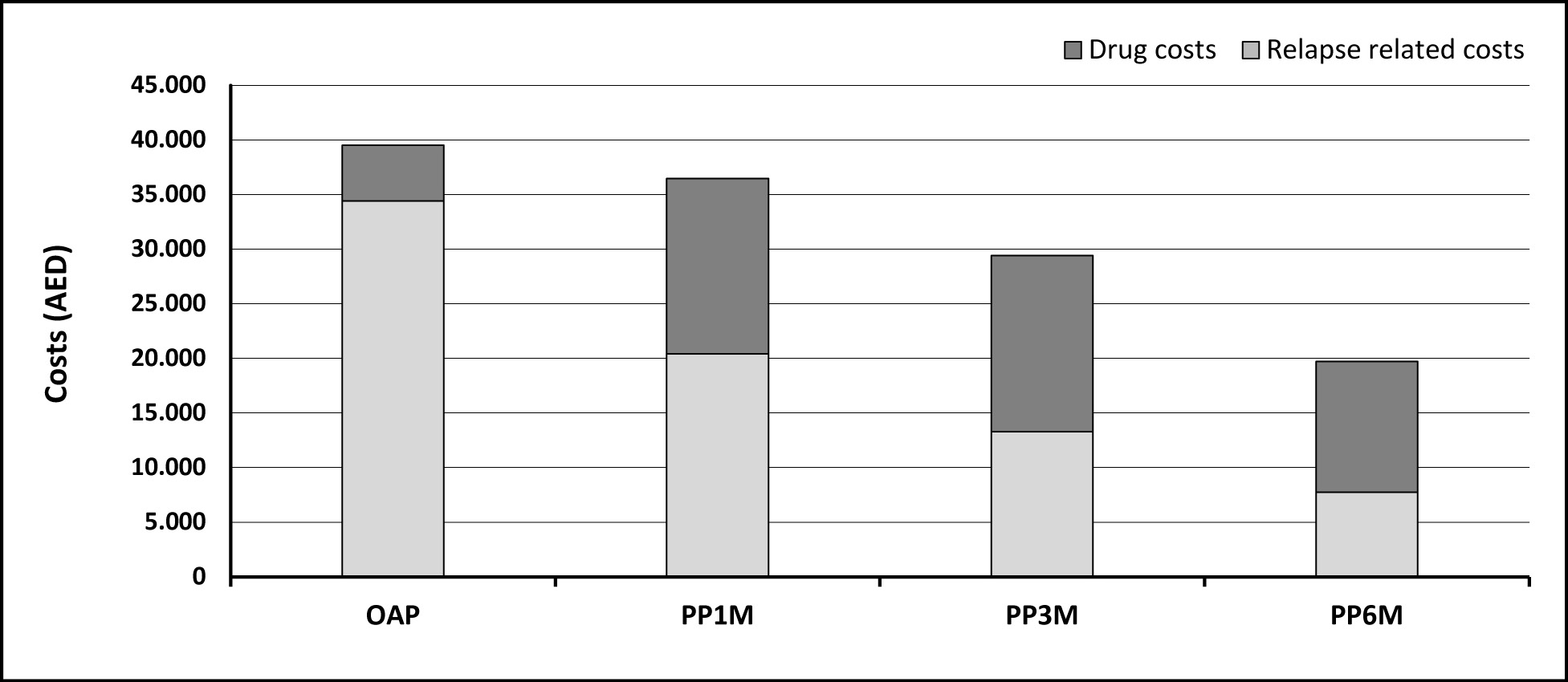
Figure 1. Mean cumulative total cost over a 1-year time horizon from the third-party payer perspective
OAP: oral antipsychotics; PP1M: paliperidone 1-month formulation; PP3M: paliperidone 3-month formulation; PP6M: paliperidone 6-month formulation
Comparable trends were observed over the 5-year time horizon from the third-party payer perspective (Figure 2). Using OAPs as the reference scenario, PP1M was associated with total savings of 21,684 AED (−10%), while PP3M generated greater savings (60,476 AED; −28%). The largest economic advantage was observed with PP6M, resulting in a total cost difference of 111,794 AED and a 52% relative difference in total costs.
Over 5 years, pharmaceutical expenditure was higher with all LAIs compared with OAPs (25,600 AED), amounting to approximately 80,000 AED for PP1M and PP3M and 59,897 AED for PP6M.
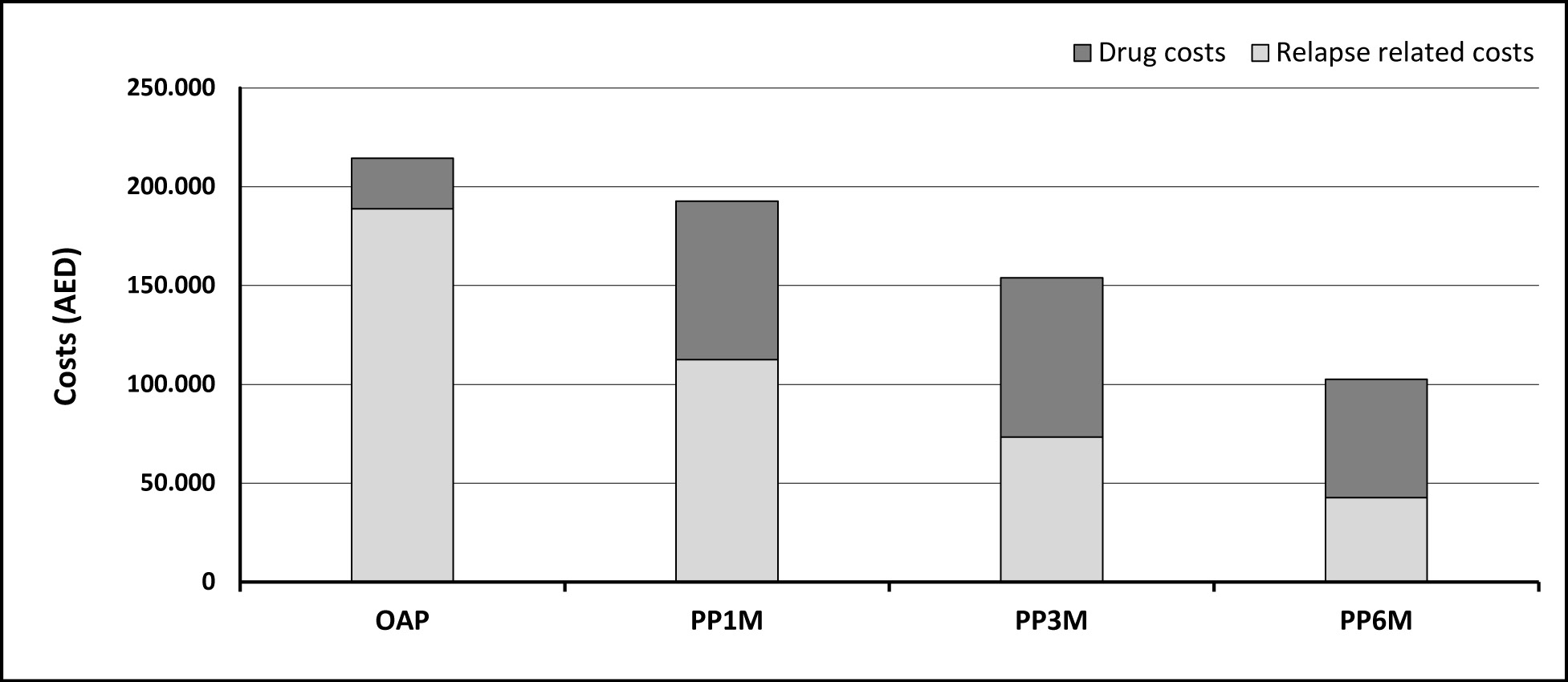
Figure 2. Mean cumulative total cost over a 5-year time horizon from the third-party payer perspective
OAP: oral antipsychotics; PP1M: paliperidone 1-month formulation; PP3M: paliperidone 3-month formulation; PP6M: paliperidone 6-month formulation
However, total non-pharmaceutical costs were substantially higher with OAPs (188,820 AED) compared with PP6M (42,729 AED), yielding a net saving of 146,091 AED in favor of PP6M.
Sensitivity analysis
The results of the DSA are presented in a tornado diagram, illustrating the key parameters influencing total cost savings for the UAE healthcare system from third-party payer perspective. Analyses were conducted over a 1-year time horizon focusing on the comparison between PP6M and OAPs. From both perspectives, the DSA identified the OAP relapse rate and the cost of relapse management as the primary cost drivers (Figure 3).
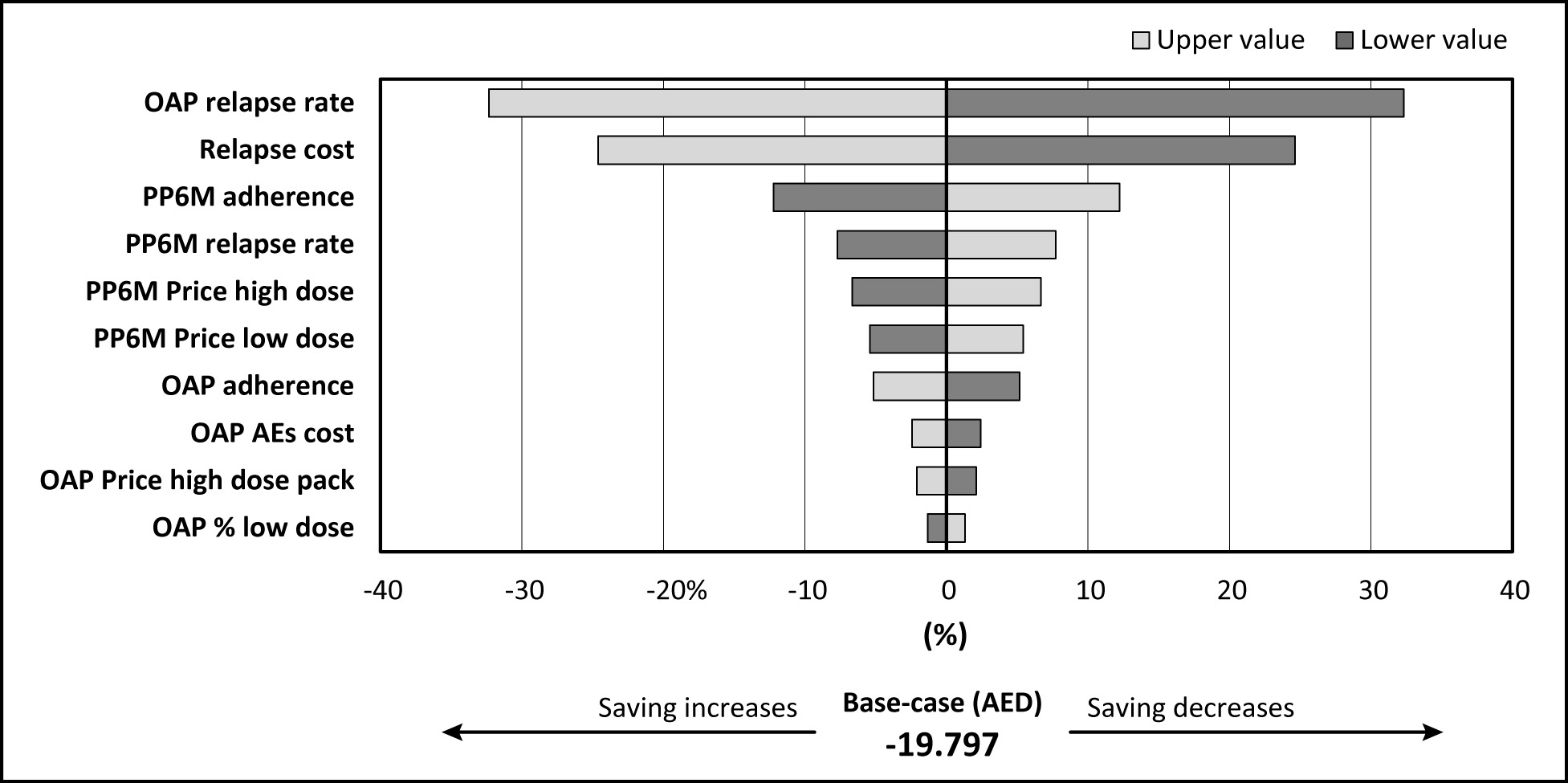
Figure 3. Tornado diagrams: one-way sensitivity analyses (third-party payer perspective)
AEs: adverse events; OAP: oral antipsychotics; PP6M: paliperidone 6-month formulation
Discussion
This cost-consequence model suggests that shifting from OAPs to paliperidone LAIs with longer inter-administration intervals may lead to substantial economic savings, providing new evidence within the UAE healthcare setting. From the third-party payer- perspective, over a 1-year horizon, PP6M was associated with estimated savings of 19,797 AED per patient, corresponding to a 50% reduction in total costs compared with OAPs. PP3M and PP1M also generated savings (10,102 AED and 3,046 AED, respectively), demonstrating a progressive economic advantage associated with increasing dosing intervals within the model framework. These findings provide context-specific evidence regarding the twice-yearly PP6M formulation in the UAE setting and are in line with UAE-based published results from Nuhoho et al., who showed that PP1M, compared with oral antipsychotics, was associated not only with improved clinical outcomes but also with cost savings for the UAE healthcare system [31].
Beyond UAE-specific evidence, a recent international real-world study from another healthcare setting provides additional supportive evidence for longer-interval formulations. In a retrospective cohort study conducted in Japan, Chiang et al. compared PP3M with PP1M and found that the PP3M cohort had a lower risk of relapse (HR: 0.605; 95% CI: 0.427-0.856), longer treatment persistence, and higher treatment adherence than the PP1M cohort [32]. These findings are consistent with the advantages associated with longer dosing intervals assumed in our model, in which progressively lower hazard ratios for relapse were applied for PP1M, PP3M, and PP6M relative to OAPs.
The DSA showed that the 1-year base-case saving (−19,797 AED), from the third-party payer perspective, was most sensitive to variations in the OAP relapse rate and relapse-related hospitalization costs, identifying these parameters as the principal cost drivers. This finding indicates that relapse prevention was an important contributor to the economic outcome estimated in the model.
Over the 5-year horizon, this pattern was sustained and amplified: PP6M resulted in cumulative savings of 111,794 AED (−52%), despite higher drug acquisition costs (PP6M: 59,897 AED vs OAPs: 25,600 AED), primarily due to markedly lower non-pharmaceutical costs (PP6M: 42,729 AED vs OAPs: 188,820 AED). Overall, within the UAE context, the modelled results suggest that the economic benefits of longer-acting LAIs and confirm that relapse-related costs represent a key economic factor in the model.
Evidence from other healthcare systems was used to contextualize the direction of the modelled results. For example, studies conducted in Japan, Spain, the United States, Italy, and other international settings have reported improved adherence, persistence, relapse-related outcomes, or economic offsets with paliperidone LAIs compared with oral or shorter-interval antipsychotic regimens. In Spain, in the PAPSEM study, García-Jiménez et al. reported improved clinical stability and reduced hospitalization rates in patients who switched from PP1M or PP3M to PP6M. The study also highlighted favorable safety and treatment acceptance outcomes, with few severe AEs observed and more than 94% of patients expressing a positive attitude toward switching to the six-month regimen [33].
Similarly, in the international 2-year open-label extension study by Najarian et al. (2023), PP6M demonstrated sustained long-term efficacy, a low relapse rate (3.9%) and a favorable safety profile [15].
These findings support the favorable tolerability profile of PP6M and are in line with other observational and real-world studies showing good tolerability and improved clinical outcomes with extended-interval regimens compared with shorter-interval or oral therapies [34–36].
Our findings are consistent with previously published economic evidence across different national healthcare contexts, including a U.S. Medicaid analysis showing that the higher acquisition costs of paliperidone LAIs were offset by reductions in relapse-related healthcare expenditures over a 3-year horizon [37], as well as studies from other healthcare systems where lower hospitalization rates associated with paliperidone LAIs translated into overall budget savings despite increased drug costs [38,39], a pattern also observed for PP6M in the Italian setting [17].
In the interpretation of the results, it should be considered that these modelled estimates are scenario-based and reflect the potential economic impact of the twice-yearly administration of PP6M from the UAE healthcare perspective, using UAE-specific cost inputs combined with clinical assumptions derived from international evidence, rather than direct UAE real-world evidence.
This analysis is subject to some limitations. First, adherence rates used to estimate drug costs were based on assumptions derived from the literature rather than directly UAE-observed data. In particular, adherence to OAPs was assumed to be 50%, which may not fully reflect real-world variability, as prescription-based estimates do not necessarily capture actual medication use. Similarly, adherence to paliperidone LAIs was derived from data on PP1M from Pilon et al. [29] and may not be generalizable to longer-interval formulations.
Second, relapse-related hospitalizations were used as the main proxy for the economic consequences of relapse. As a result, the estimated savings mainly reflect avoided hospitalization costs and may not capture the full burden of relapse, including relapses managed in outpatient settings, caregiver burden, productivity losses, or broader patient-level consequences.
Third, the model assumes a shift from OAPs to paliperidone LAIs according to the treatment scenarios evaluated. However, in clinical practice, LAI switching depends on patient eligibility, clinical stability, prior treatment response, patient acceptance, and the availability of follow-up and administration services. Therefore, the modelled savings should be interpreted as applying primarily to patients who are clinically suitable for LAI treatment.
For UAE payers and healthcare decision-makers, these model findings may provide useful information on the potential economic implications of relapse prevention with PP6M administration, including the extent to which avoided relapse-related costs may offset higher drug acquisition costs. Further UAE-specific real-world data on adherence, relapse, hospitalization, treatment discontinuation, and treatment patterns would be useful to validate these assumptions in routine clinical practice.
Taken together, the available evidence is consistent with the model findings and supports the potential value of longer-interval antipsychotic formulations in improving clinical stability while generating economic benefits. Beyond direct healthcare savings, reducing relapse burden may also generate broader societal benefits for patients, families, caregivers, and healthcare providers.
Conclusion
In conclusion, this cost-consequence analysis suggests that, although extended-interval LAIs are associated with higher pharmaceutical acquisition costs, modelled reductions in relapse-related hospitalizations may generate sufficient cost offsets to result in net savings. This effect was particularly evident for PP6M, which showed the largest estimated economic benefit. These findings should be interpreted in light of the assumptions on adherence, the use of hospitalization as a proxy for relapse-related economic consequences, and the clinical suitability of patients for switching from OAPs to LAI treatment. Overall, extended dosing interval therapies may represent a clinically sound and economically sustainable strategy for optimizing schizophrenia management in selected patients within the UAE healthcare system.
Conflict of interest
M.Z., N.N.A., and N.G. have no competing interests. M.H., A.N., and A.R.E. are employees of J&J. W.A.N. has received honoraria from J&J for participation in advisory boards and support from J&J for attending meetings. L.P. is co-owner and employee of AdRes, which has received project funding by J&J for the conduction of the study.
Funding
Sponsorship of this study and open access fee were funded by J&J.
Author contributions
All authors contributed to the study conception and design. L.P. performed material preparation, data collection, and analysis. All authors contributed to manuscript drafting or critical revision and approved the final version of the manuscript.
Acknowledgements
Medical writing and editorial assistance in the preparation of this article were provided by Dr. Flavia Giacalone from SEEd s.r.l. SB and were funded by J&J.
List of abbreviations
AED: United Arab Emirates dirham
AE: adverse event
AS: active substance
CI: confidence interval
DOH: Department of Health
DRG: diagnosis-related group
DSA: deterministic sensitivity analysis
FGA: first-generation antipsychotic
GBD: Global Burden of Disease
HR: hazard ratio
LAI: long-acting injectable
MS: market share
OAP: oral antipsychotic
PP1M: paliperidone palmitate 1-month formulation
PP3M: paliperidone palmitate 3-month formulation
PP6M: paliperidone palmitate 6-month formulation
RR: relative risk
SGA: second-generation antipsychotic
UAE: United Arab Emirates
YLDs: years lived with disability
References
1.World Health Organization (WHO). Schizophrenia. https://www.who.int/news-room/fact-sheets/detail/schizophrenia. Published October 6, 2025. Accessed February 9, 2026
2.Hay SI, Ong KL, Santomauro DF, et al. Burden of 375 diseases and injuries, risk-attributable burden of 88 risk factors, and healthy life expectancy in 204 countries and territories, including 660 subnational locations, 1990–2023: a systematic analysis for the Global Burden of Disease Study 2023. The Lancet 2025; 406: 1873-1922; https://doi.org/10.1016/S0140-6736(25)01637-X
3.Safiri S, Noori M, Nejadghaderi SA, et al. The burden of schizophrenia in the Middle East and North Africa region, 1990–2019. Sci Rep 2024; 14: 9720; https://doi.org/10.1038/s41598-024-59905-8
4.Emirates Health Services. Schizophrenia. https://www.ehs.gov.ae/en/awareness/mental-health/schizophrenia. Accessed February 24, 2026
5.Zacker C, Puckett J, Kamal-Bahl S. Real-World Adherence and Discontinuation of Oral Antipsychotics and Associated Factors in a National Sample of US Medicare Beneficiaries with Schizophrenia. CEOR 2024; Volume 16: 567-79; https://doi.org/10.2147/CEOR.S469001
6.Valenstein M, Ganoczy D, McCarthy JF, et al. Antipsychotic Adherence Over Time Among Patients Receiving Treatment for Schizophrenia: A Retrospective Review. J Clin Psychiatry 2006; 67(10): 1542-50; https://doi.org/doi:10.4088/jcp.v67n1008
7.Velligan DI, Wang M, Diamond P, et al. Relationships Among Subjective and Objective Measures of Adherence to Oral Antipsychotic Medications. PSYCHIATRIC SERVICES 2007; 58: 1187-92; https://doi.org/doi:10.1176/ps.2007.58.9.1187
8.Lieberman JA, Rosenheck RA, Davis SM, et al. Effectiveness of Antipsychotic Drugs in Patients with Chronic Schizophrenia. N Engl J Med 2005; 2005;353:1209-23; https://doi.org/doi:10.1056/NEJMoa051688
9.Rivelli A, Fitzpatrick V, Nelson M, et al. Real-world predictors of relapse in patients with schizophrenia and schizoaffective disorder in a large health system. Schizophr 2024; 10: 28; https://doi.org/10.1038/s41537-024-00448-2
10.Olivares JM, Sermon J, Hemels M, et al. Definitions and drivers of relapse in patients with schizophrenia: a systematic literature review. Ann Gen Psychiatry 2013; 12: 32; https://doi.org/10.1186/1744-859X-12-32
11.Kishimoto T, Hagi K, Kurokawa S, et al. Long-acting injectable versus oral antipsychotics for the maintenance treatment of schizophrenia: a systematic review and comparative meta-analysis of randomised, cohort, and pre–post studies. The Lancet Psychiatry 2021; 8: 387-404; https://doi.org/10.1016/S2215-0366(21)00039-0
12.Boyer L, Falissard B, Nuss P, et al. Real-world effectiveness of long-acting injectable antipsychotic treatments in a nationwide cohort of 12,373 patients with schizophrenia-spectrum disorders. Mol Psychiatry 2023; 28: 3709-16; https://doi.org/10.1038/s41380-023-02175-z
13.Kishimoto T, Robenzadeh A, Leucht C, et al. Long-Acting Injectable vs Oral Antipsychotics for Relapse Prevention in Schizophrenia: A Meta-Analysis of Randomized Trials. Schizophrenia Bulletin 2014; 40: 192-213; https://doi.org/10.1093/schbul/sbs150
14.Kishimoto T, Nitta M, Borenstein M, et al. Long-Acting Injectable Versus Oral Antipsychotics in Schizophrenia: A Systematic Review and Meta-Analysis of Mirror-Image Studies. J Clin Psychiatry 2013; 74: 957-65; https://doi.org/10.4088/JCP.13r08440
15.Najarian D, Turkoz I, Knight RK, et al. Long-Term Efficacy and Safety of Paliperidone 6-Month Formulation: An Open-Label 2-Year Extension of a 1-Year Double-Blind Study in Adult Participants With Schizophrenia. International Journal of Neuropsychopharmacology 2023; 26: 537-44; https://doi.org/10.1093/ijnp/pyad028
16.Zaniolo O, Ghetti G, Povero M, et al. Effectiveness of Long-Acting Injectable Antipsychotics in Schizophrenia: A Literature Review and Bayesian Meta-Analysis Informing Economic Considerations. FE 2019; 20; https://doi.org/10.7175/fe.v20i1.1393
17.Zaniolo O, Maffezzoli S, Povero M, et al. Optimizing Treatment of Schizophrenia: Clinical and Economical Potential for Patient Switching to Long-Acting Injectables. FE 2024; 25; https://doi.org/10.7175/fe.v25i1.1558
18.Pradelli L, Zaniolo O, Povero M, et al. EE647 Real-Word Effectiveness and Cost Consequence of Antipsychotic Treatment Choices in the Treatment of Schizophrenia in Italy: A Bayesian Hierarchical Inference Model. Value in Health 2022; 25: S183; https://doi.org/10.1016/j.jval.2022.09.886
19.Xeplion. Summary of Product Characteristics. https://www.ema.europa.eu/en/documents/product-information/xeplion-epar-product-information_en.pdf. Accessed February 9, 2026
20.Trevicta. Summary of Product Characteristics. https://www.ema.europa.eu/en/documents/product-information/trevicta-epar-product-information_en.pdf. Accessed February 9, 2026
21.Byannli. Summary of Product Characteristics. https://www.ema.europa.eu/en/documents/product-information/byannli-epar-product-information_en.pdf. Accessed February 9, 2026
22.Najarian D, Sanga P, Wang S, et al. A Randomized, Double-Blind, Multicenter, Noninferiority Study Comparing Paliperidone Palmitate 6-Month Versus the 3-Month Long-Acting Injectable in Patients With Schizophrenia. International Journal of Neuropsychopharmacology 2022; 25: 238-51; https://doi.org/10.1093/ijnp/pyab071
23.Department of Health Abu Dhabi. DOH Claims and Adjudication Rules V2025.1. https://www.doh.gov.ae/en/Shafafiya/prices-archive. Published 2025. Accessed February 9, 2026
24.Al-Jubori YM, Al-Maskari AZ, Mirza H, et al. Medication- and Non-Medication-Related Causes of Relapse in First-Episode Psychosis Patients Admitted to Sultan Qaboos University Hospital. Cureus 2025; https://doi.org/10.7759/cureus.81125
25.Department of Health Abu Dhabi. Addendum 05 to DOH Claims & Adjudication Rules V2025. https://www.doh.gov.ae/en/Shafafiya/prices-archive. Accessed February 9, 2026
26.Department of Health Abu Dhabi. Drug coding (Shafafiya database). https://www.doh.gov.ae/en/Shafafiya/dictionary. Accessed February 9, 2026
27.Bokhari SA, Elnoor M, Javaid SF, et al. Real-world antipsychotic prescribing pathways and treatment modifications in schizophrenia spectrum disorders: evidence from the United Arab Emirates. Front Pharmacol 2026; 17: 1808636; https://doi.org/10.3389/fphar.2026.1808636
28.M. Sweileh W, S. Ihbesheh M, S. Jarar I, et al. Antipsychotic Medication Adherence and Satisfaction Among Palestinian People with Schizophrenia. CCP 2012; 7: 49-55; https://doi.org/10.2174/157488412799218761
29.Pilon D, Joshi K, Tandon N, et al. Treatment patterns in Medicaid patients with schizophrenia initiated on a first- or second-generation long-acting injectable versus oral antipsychotic. PPA 2017; 11: 619-29; https://doi.org/10.2147/PPA.S127623
30.Alharbi M, Alshubaily B, Fallata E, et al. Expert consensus recommendations on the use of long-acting injectable antipsychotics for schizophrenia in Saudi Arabia: results of a Delphi study. Middle East Curr Psychiatry 2026; 33: 39; https://doi.org/10.1186/s43045-026-00640-3
31.Nuhoho S, Saad A, Saumell G, et al. Economic evaluation of paliperidone palmitate once monthly for treating chronic schizophrenia patients in the United Arab Emirates. Current Medical Research and Opinion 2018; 34: 601-11; https://doi.org/10.1080/03007995.2017.1417246
32.Chiang C, Chinen M, Daskiran M, et al. Clinical effectiveness of paliperidone palmitate 3‐monthly and 1‐monthly as monotherapy in patients with schizophrenia: A retrospective cohort study based on the Medicaid claims database. Neuropsychopharm Rep 2024; 44: 716-27; https://doi.org/10.1002/npr2.12473
33.García-Jiménez J, Lafuente-Casanova Ó, Salas R, et al. 12-Month mirror study on the effectiveness and safety of six-month paliperidone palmitate in patients with schizophrenia: A Multicenter Andalusian Cohort (PAPSEM study). Psychiatry Research 2026; 356: 116903; https://doi.org/10.1016/j.psychres.2025.116903
34.Li P, Geng Z, Benson C, et al. Real-World Effectiveness of Long-Acting Injectable and Oral Antipsychotic Agents in US Medicare Patients with Schizophrenia. Adv Ther 2025; 42: 1251-64; https://doi.org/10.1007/s12325-024-03075-6
35.Manchado Perero S, Rodríguez Lorente A, García-Pérez A, et al. One-Year Evaluation of Paliperidone Palmitate 6-Monthly: Satisfaction and Perceived Effectiveness Among Patients, Relatives, and Clinicians. PPA 2025; Volume 19: 1573-82; https://doi.org/10.2147/PPA.S517038
36.Hamilton J, Johnston K, Simples J, et al. Long-Term Symptomatic and Functional Remission with Paliperidone Palmitate 6-Monthly Treatment in Schizophrenia: A 3-Year Post-Hoc Analysis. NDT 2025; Volume 21: 1203-14; https://doi.org/10.2147/NDT.S523687
37.El Khoury AC, Pilon D, Morrison L, et al. Projecting the Long-Term Economic Impact of Once-Monthly Paliperidone Palmitate Versus Oral Atypical Antipsychotics in Medicaid Patients with Schizophrenia. JMCP 2020; 26: 176-85; https://doi.org/10.18553/jmcp.2020.26.2.176
38.Elsisi G, Ezzat M, Ramadan M. Projecting the Potential Budget Impact Analysis of Paliperidone Palmitate in Egyptian Adult Patients with Schizophrenia. Journal of Health Economics and Outcomes Research 2023; 10; https://doi.org/10.36469/001c.83240
39.Morrison L, Lin D, Benson C, et al. Projecting the economic outcomes of switching patients with schizophrenia from oral atypical antipsychotics to once-monthly, once-every-3-months, and once-every-6-months paliperidone palmitate. JMCP 2023; 29: 161-71; https://doi.org/10.18553/jmcp.2022.22215